Every day, 10-year-old Noah boarded the school bus with the kind of anticipation that only a child could have. He loved the small comforts of his routine—the soft hum of the engine, the rhythm of the bus as it traversed the familiar streets of his neighborhood, and the sights that passed him by.
But for Noah, who had been diagnosed with autism and ADHD, this daily ride was often a challenge. While his classmates communicated with ease, Noah struggled to express himself. He was minimally verbal, relying on his own ways of understanding the world around him.
As a child with special needs, Noah’s experience was different from his peers, and he required extra care and attention. It was the responsibility of the bus aides and driver to ensure his safety and well-being. But that trust, which Noah placed in the adults around him, was shattered in the most unimaginable way.
It all started on November 14, when a witness—one of the many people whose lives intersected with Noah’s each day—reported something troubling. The witness, perhaps unknowingly, became the first person to break the silence.
They had seen the bus aide strike Noah repeatedly while the school bus was parked at Caminiti Exceptional School. The witness had no way of knowing the horrors that had been happening behind closed doors for weeks, but their report was the spark that would eventually bring the truth to light.
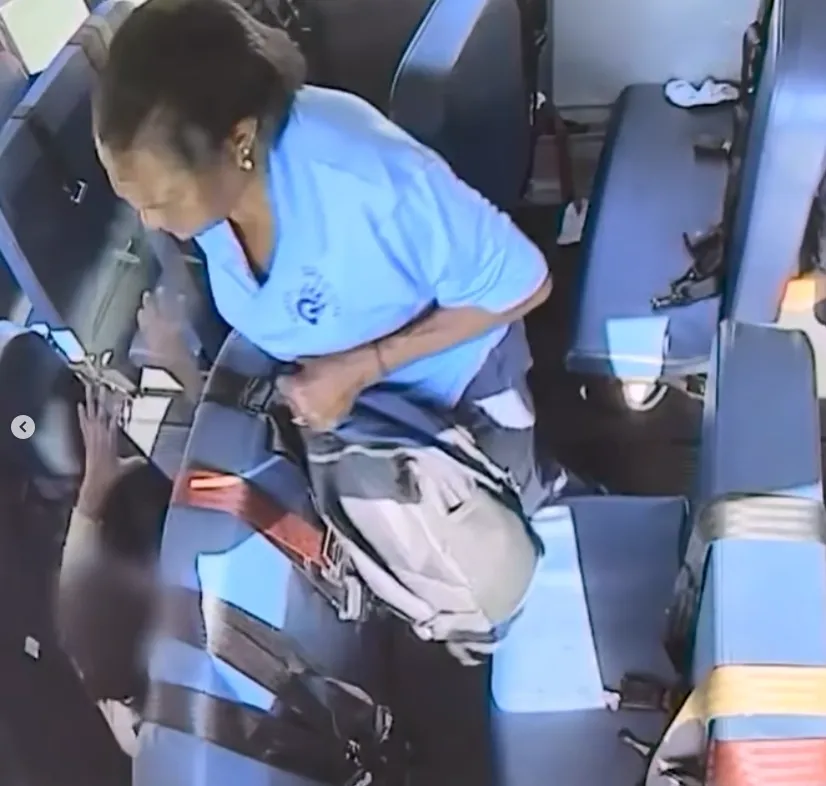
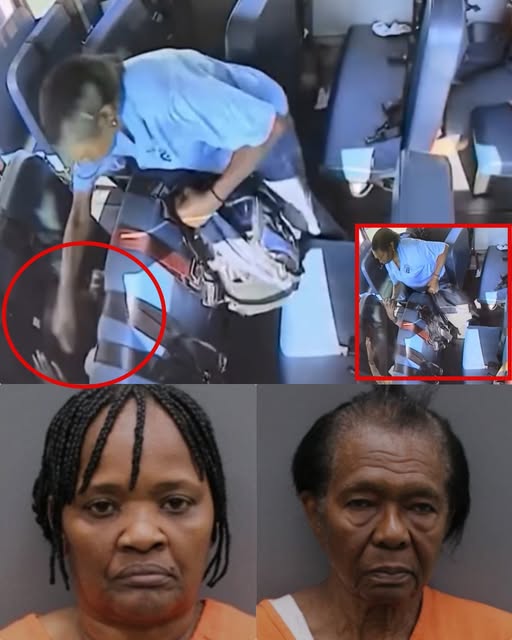
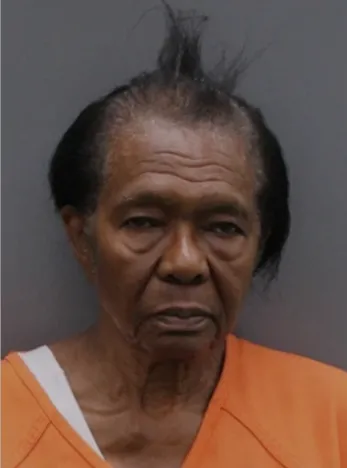
Hillsborough County Sheriff’s Office investigators quickly began their work, uncovering something far more disturbing than anyone could have imagined. The bus aide, later identified as 79-year-old Juanita Wright, had been repeatedly hitting Noah.
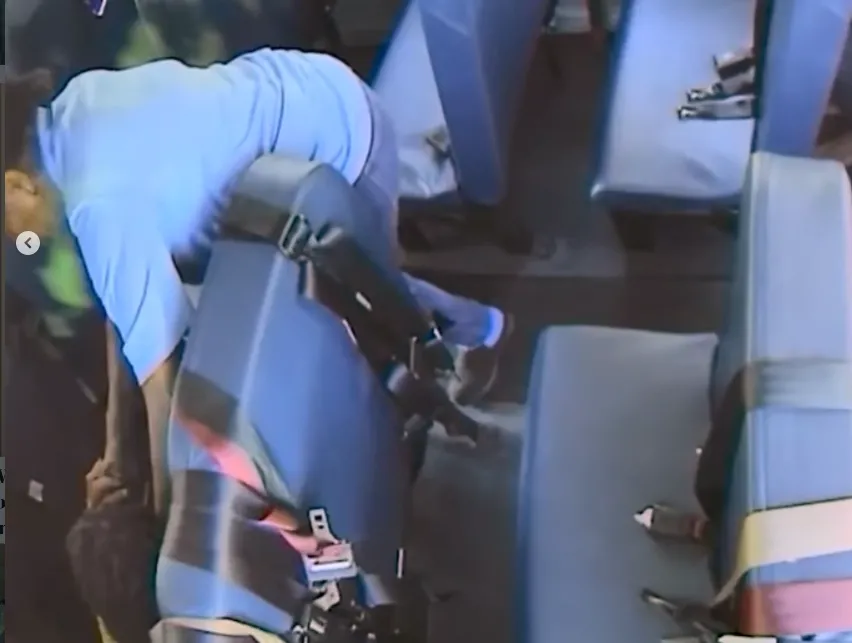
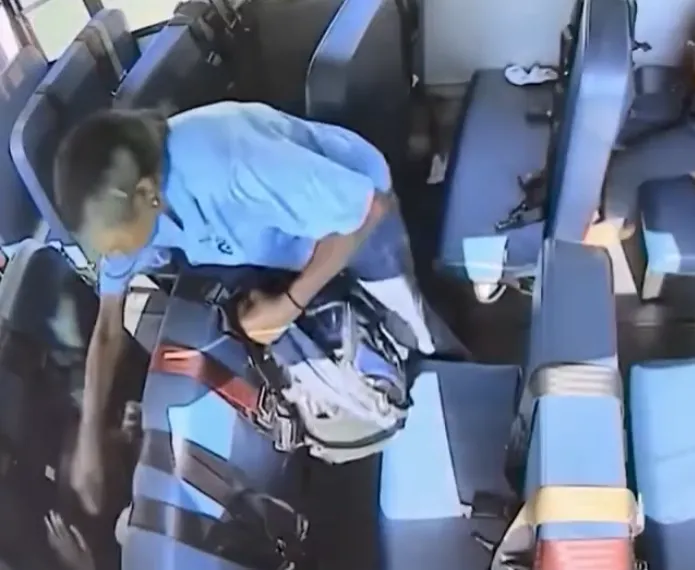
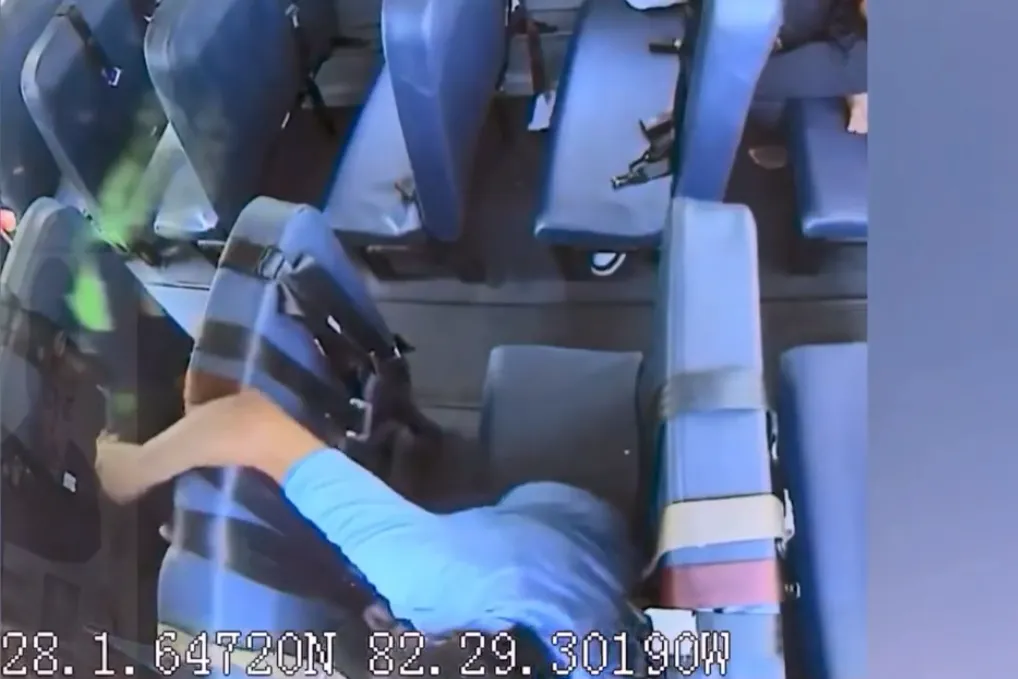
The footage from the bus surveillance cameras, which would become the haunting evidence in the case, revealed a shocking scene. There, in full view of the camera, Wright struck Noah multiple times, each blow as heart-wrenching as the last.
Noah, a child who struggled to communicate his pain, was left helpless in a world that should have protected him.
What was perhaps even more chilling was the response—or lack thereof—of Tonya Rice-Constant, the bus driver. Instead of intervening to stop the abuse, the video captured Rice-Constant laughing.
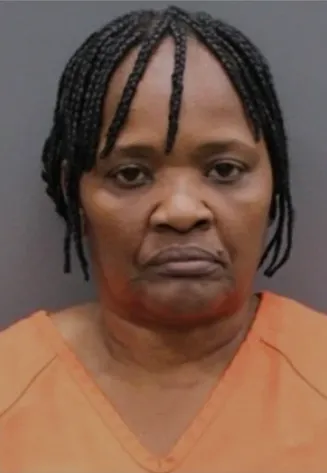
The laughter rang out cold and callous, a stark contrast to the helplessness of the child she was supposed to be protecting. It was a betrayal that no one could have foreseen. The very people entrusted with caring for the most vulnerable were the ones inflicting harm upon them.
As the investigation unfolded, more disturbing details emerged. The surveillance footage from the bus, which only retained footage for 30 days, revealed at least 13 other instances of abuse between October 2 and November 14.
The footage showed Wright repeatedly assaulting Noah, each day building upon the horrors of the last. Detective after detective watched as the evidence grew, a nightmare that seemed to have no end.
Sheriff Chad Chronister, speaking at a press conference, admitted that the video footage only captured a small fraction of the abuse. He believed that the assaults likely started even earlier, far beyond the 30 days that the bus camera system could retain.
“I’m confident that this abuse carried on well before the 30 days that we were able to capture,” Sheriff Chronister said. His words, though full of certainty, could not change the fact that these events had already occurred, and Noah had already suffered far more than any child ever should.
The terror Noah faced on that bus would leave scars far deeper than the physical ones—emotional wounds that could take years to heal.
The truth had come to light, but the journey for justice was just beginning. Wright, who had been employed by the Hillsborough County School District since 2013, was arrested and charged with 14 counts of child abuse.
Her arrest was the first step in holding her accountable for the pain she had inflicted on Noah. Wright had betrayed the very trust that had been placed in her, and now, she would have to answer for her actions.
Rice-Constant, the bus driver who had not only failed to intervene but had instead laughed at the abuse, was arrested as well. She faced a single charge of failure to report child abuse, a charge that seemed like a faint reflection of the betrayal she had committed.
Rice-Constant had been a district employee since 1997, a long tenure that only made her actions that much more difficult to comprehend. She had seen children come and go, had witnessed their struggles and triumphs, and yet, when it came to Noah, she had turned a blind eye.
She had failed him, and now she would face the consequences of that failure.
In the aftermath of the investigation, Wright was suspended with pay, a decision that seemed almost too lenient considering the gravity of the charges against her. Rice-Constant, however, retired as soon as the investigation began.
She walked away from her position without facing immediate repercussions, leaving the question of whether her retirement was an attempt to escape responsibility or simply a cowardly retreat. The answers may never be fully known, but the damage had already been done.
For Noah’s family, the arrest of Wright and Rice-Constant brought no sense of relief. The damage had already been inflicted. Noah had experienced trauma that no child should ever endure, and his family had to find a way to help him heal from the wounds that went far beyond the physical marks left by the abuse.
His parents, who had trusted the school system to keep him safe, now found themselves grappling with the emotional fallout of their child’s suffering. The pain they felt was immeasurable, a mother’s and father’s worst nightmare realized.
But Noah’s story, though painful, became a catalyst for change. The investigation revealed not only the horrors he had experienced but also the broader system of failure that had allowed this abuse to happen.
Wright and Rice-Constant were not alone in their neglect; the system that was supposed to protect vulnerable children had allowed them to slip through the cracks. There were signs, clues, and warnings that had been ignored or dismissed, and Noah had been the victim of that failure.
For Noah’s family and for all the children like him, the hope was that the justice system would work to ensure that this never happened again. No other child should have to endure what Noah had gone through.
The investigation and the subsequent charges against Wright and Rice-Constant were only the beginning of a much larger conversation about the safety of children within the school system. Parents, teachers, and administrators had to come together to ensure that this tragedy was not repeated.
While the legal battle continued and the future for Wright and Rice-Constant remained uncertain, Noah’s healing began in a different way. He would never be the same child he had been before that fateful bus ride, but his family would not give up on him.
They would fight to help him reclaim his sense of safety, trust, and peace. They would be there for him as he worked through the trauma, as he faced the emotional scars left by those who had failed him.
In the months that followed, Noah’s family began to speak out, sharing their story in the hopes of preventing further abuse. They worked with advocacy groups, raised awareness, and pushed for reforms in how children with special needs are treated within the school system.
Their message was clear: no child should ever be treated the way Noah had been treated. The family’s pain was matched by their determination to create change, to make sure that Noah’s suffering would not be in vain.
As for Wright and Rice-Constant, their fates remained in the hands of the legal system. Their names would forever be tied to this tragedy, their actions immortalized in the court records. But even as they faced the consequences of their actions, Noah’s family found strength in the idea that justice, though slow, would eventually prevail.
For Noah, the road ahead would not be easy, but it was a road he would walk with the love and support of his family. The journey of healing would take time, but Noah’s resilience, even in the face of unimaginable hardship, would be the light that guided him through the darkness. And as the world watched this case unfold, one thing became clear: Noah’s voice would never again be silenced.