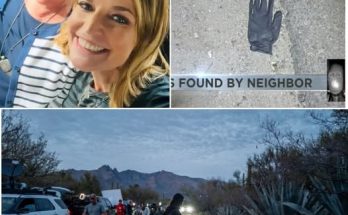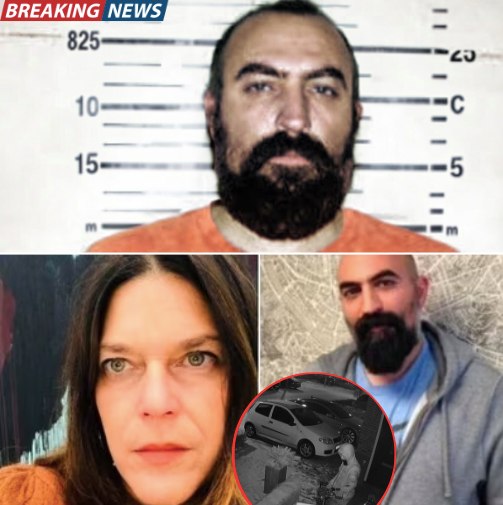
The disappearance of 84-year-old Nancy Guthrie has taken a significant turn as investigators deepen their scrutiny of the events surrounding the night she vanished from her Tucson home. In a recent development that has fueled intense public discourse, authorities confirmed that Tommaso Cioni, Guthrie’s son-in-law, voluntarily appeared for an extended interview with law enforcement. While early social media reports erroneously characterized this interaction as an arrest, the Pima County Sheriff’s Department was quick to clarify that Cioni was not taken into custody, nor have any formal charges been filed against him. Instead, officials described the session as a critical component of the ongoing effort to reconstruct the timeline of January 31, 2026.
Nancy Guthrie was last seen on that Saturday evening after enjoying dinner with her daughter, Annie Guthrie, and Tommaso Cioni. According to official statements, Cioni drove Nancy back to her residence in the quiet, upscale Catalina Foothills neighborhood. He reportedly informed investigators that he arrived at the house at approximately 9:45 p.m. and waited in his vehicle until he observed her safely enter the front door. However, the following morning, the sense of security surrounding the Guthrie home evaporated. Nancy failed to appear for her Sunday morning church services, and when her family could not reach her by telephone, the alarm was raised.
The digital evidence in the case has provided an even more precise, albeit harrowing, window into the night’s events. Investigators revealed that data from Nancy’s pacemaker indicated a sudden and unexplained disruption in communication shortly after 2:00 a.m. on February 1. This technological footprint suggests that whatever occurred inside or immediately outside the residence happened under the cover of darkness, hours after Cioni reported leaving the premises. Sheriff Chris Nanos has emphasized that these findings have led his department to treat the investigation with the utmost urgency, utilizing resources from the FBI to assist in the forensic analysis of both the physical site and the digital logs.
The decision to interview family members extensively—including the voluntary questioning of Tommaso Cioni—is characterized by law enforcement as a standard, non-accusatory procedure. In high-profile cases involving potential foul play, investigators prioritize establishing an airtight chronology by speaking with those who had the most recent contact with the victim. This process is designed to rule out possibilities as much as it is to uncover leads. Sheriff Nanos addressed the surging public speculation by reminding the community that cooperation with authorities should never be interpreted as an admission of guilt or an indication of criminal liability.