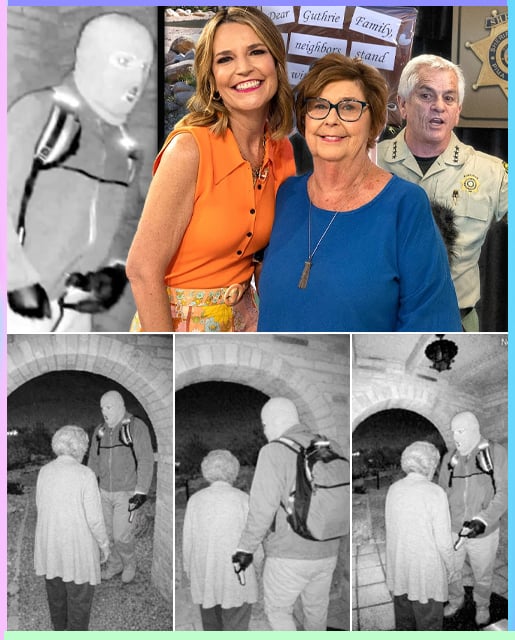
At 1:47 a.m. on February 1, 2026, the doorbell camera at Nancy Guthrie’s home in the Catalina Foothills suddenly went dark. Inside, the 84-year-old retired teacher was asleep. Outside, someone was approaching her front door wearing a ski mask, gloves, dark clothing, and a backpack. A gun sat in a holster at the front of their waist.
Twenty-five minutes later, the camera system registered motion, but no footage was saved. Then, at 2:28 a.m., Nancy’s pacemaker stopped syncing with her phone. The Bluetooth connection severed abruptly. Investigators believe that moment marks when she was moved out of range—taken from her home.
By late Sunday morning, concern was growing. Nancy never missed her church’s 11 a.m. livestream. When she didn’t log in, friends began calling. There was no answer. Her daughter Annie, who lives nearby in Tucson, drove to the house and quickly sensed something was wrong. Law enforcement conducted a welfare check.
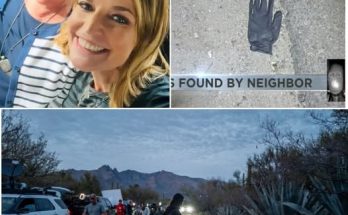
Deputies found the back door open. Inside, the house was empty. Nancy’s phone and medication were still there. On the front porch, drops of blood stained the concrete. Cameras had been smashed. Nancy Guthrie was gone.
Nancy was known for her routine and her faith. Though physically limited—she struggled to walk long distances and relied on a pacemaker and daily medication—she was mentally sharp and deeply involved in her community. She had spent decades as a teacher, raising three children along the way, including television anchor Savannah Guthrie. Family described her as steady, disciplined, and devoted.
The night before her disappearance had been ordinary. On January 31, Nancy had dinner at Annie’s home. They played board games and talked for hours. Around 9:30 p.m., Annie’s husband drove her back. At 9:48 p.m., security footage captured Nancy’s garage door opening. Two minutes later, it closed. She was home.
What happened next unfolded in a narrow window of time. At 1:47 a.m., the doorbell camera feed was disconnected. Investigators believe it was deliberate. Though Nancy did not have a subscription to store video, the FBI later worked with Google engineers to recover residual backend data from the system. Eight days after her disappearance, they extracted short clips and still images.
The footage showed a masked individual approaching the front door just before 2 a.m. The person calmly reached up and covered the camera with a gloved hand, then used potted plants from the yard to block its view. A small flashlight appeared to be held in their mouth as they worked. The individual wore dark clothing, gloves, and carried a backpack. A firearm was visible in a nylon holster positioned awkwardly at the front of their belt.
Experts who reviewed the footage noted the suspect’s methodical behavior but questioned their experience. The holster was described as a generic storage type rather than one used by regular gun carriers. Its placement suggested inexperience. The suspect appeared to have planned the crime but executed it imperfectly, improvising when necessary.
The most critical timestamp came at 2:28 a.m., when Nancy’s pacemaker lost connection with her phone. Because Bluetooth range is limited, investigators concluded she was moved away from the device at that moment. That seventeen-minute span between the camera going dark and the pacemaker disconnect has become central to the investigation.
On February 3, ransom emails began circulating. A demand for $6 million in Bitcoin was sent to multiple media outlets. The note included specific details about what Nancy had been wearing that night—details family sources confirmed were accurate. The message threatened harm if payment was not made by stated deadlines.
The FBI investigated the ransom communications. Several individuals were arrested for sending hoax notes unrelated to the actual kidnapping. However, the authenticity of the original demand has not been publicly confirmed. The Bitcoin wallet address associated with the ransom remained empty past both deadlines.